Paid Ads vs. Organic Content
Where Should You Invest First?

Filed Under: Online Advertising | Read Duration: 12–14 min
Abstract
For small businesses navigating growth, one question comes up again and again: Should we invest in paid ads or organic content first? On one side, platforms like Google Ads and Meta Platforms offer immediate visibility and fast lead generation. On the other, organic strategies like SEO, social media, and content marketing promise long-term brand equity and compounding returns.
So which is the better investment?
Based on industry research from organizations like HubSpot and Ahrefs—combined with real-world execution across small business campaigns—the answer is clear: It’s not about choosing one over the other. It’s about sequencing them strategically.
This article breaks down how each channel works, where they excel, and how small businesses can invest wisely to balance short-term results with long-term growth.
Key Takeaways for business owners
Paid ads generate fast results but require ongoing spend
Organic content builds long-term value but takes time
The highest ROI comes from combining both strategically
Early-stage businesses should lean into paid while building organic foundations
Long-term growth depends on reducing reliance on paid through content
Trust is the bridge between visibility and conversion—and content builds it best
The Real Question Most Businesses Get Wrong
Most business owners approach this as a binary decision: “Should I spend money on ads, or invest in content?”
But that framing misses the bigger picture. Paid ads and organic content serve fundamentally different roles:
Paid ads capture demand
Organic content creates and nurtures demand
When you understand that distinction, the strategy becomes much clearer.
Paid Ads: Buying Speed and Capturing Intent
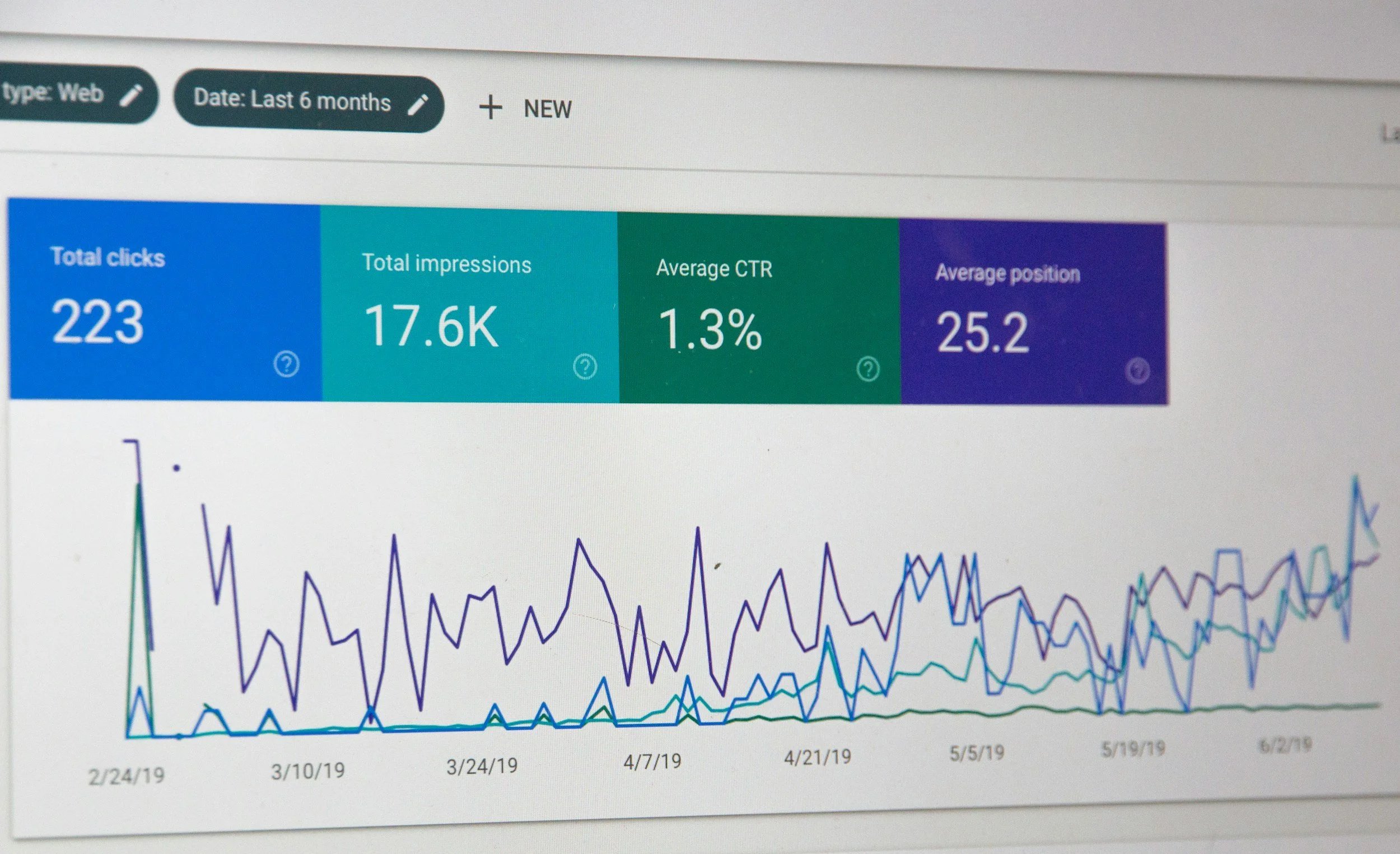
Paid advertising is one of the fastest ways to generate traffic and leads.
When someone searches “roof repair near me” or clicks on a targeted social ad, they’re often already in the decision-making phase. Platforms like Google Ads allow you to show up at that exact moment.
That’s incredibly powerful.
Where Paid Ads Win
Immediate visibility
High-intent traffic
Fast feedback on messaging and offers
Scalable lead generation (when done right)
Where They Fall Short
Costs increase as competition rises
Traffic stops the moment you stop spending
Performance depends heavily on your conversion system
Paid ads are not a long-term asset—they’re a lever. And like any lever, they only work if the system behind them is strong.
Organic Content: Building Trust and Long-Term Leverage

Organic content—blogs, social media, SEO—operates on a completely different timeline.
Instead of capturing existing demand, it builds awareness, trust, and authority over time.
According to research from Ahrefs, most content takes months to gain traction. But once it does, it can continue driving traffic and leads long after it’s published.
Where Organic Content Wins
Compounding traffic over time
Lower long-term acquisition costs
Stronger brand authority and trust
Supports every other marketing channel
Where It Falls Short
Slow to produce results
Requires consistency and patience
Difficult to execute without a clear strategy
Organic content is not a quick win—it’s an investment in future demand.
The Core Tradeoff: Speed vs. Sustainability

At its simplest, the decision comes down to this:
Paid Ads = Speed
Organic Content = Sustainability
But here’s where it gets interesting…
The best-performing businesses don’t choose one—they use both at the right time, in the right way.
What the Data (and our Experience) Shows
1. Paid Ads Deliver Immediate Results—but Plateau
You can generate leads quickly, but costs tend to rise over time, especially in competitive markets.
2. Organic Content Starts Slow—but Compounds
Early results are minimal, but over time, content becomes a traffic and lead-generation engine.
3. Trust is Built Organically—but Monetized Across Both
Customers often discover and evaluate businesses through content before converting through paid or direct channels.
4. Integration Outperforms Isolation
Businesses that combine paid and organic strategies consistently outperform those relying on just one.
So… Where Should You Invest First?

If You’re Just Getting Started
You need traction. Fast. Paid ads can help you:
Generate initial leads
Test your messaging
Understand what your market responds to
At the same time, you should begin building foundational content—even if it’s simple.
The goal:
Short-term results + long-term groundwork
If You’re Actively Growing
This is where balance becomes critical.
Paid ads should continue driving consistent lead flow, while organic content starts to take on a larger role.
You’re no longer just buying attention—you’re earning it.
The goal:
Scale efficiently while reducing reliance on paid channels
If You’re Established
At this stage, organic content should be a major growth driver.
Your brand, authority, and content ecosystem should be doing a significant portion of the work—while paid ads are used strategically to:
Capture high-intent traffic
Retarget warm audiences
Amplify top-performing content
The goal:
Maximize efficiency and long-term leverage

The Hidden Advantage: How These Channels Strengthen Each Other
When used together, paid and organic don’t just coexist—they compound.
Paid ads reveal which messages convert → informs content strategy
Organic content builds trust → improves ad conversion rates
Content fuels retargeting campaigns → increases efficiency
This creates a feedback loop where each channel makes the other stronger.
Conclusion - Short Term Wins with Long term strategy
Most small businesses don’t fail because they chose the wrong channel. They fail because they expect one channel to do everything.
Paid ads won’t build your brand. Organic content won’t generate leads overnight.
But together?
They create a system that drives both immediate results and long-term growth. The smartest businesses we work with understand this: They use paid ads to buy speed and organic content to build leverage.
And over time, they shift from renting attention… to owning it.
Sources & Research Foundations
This analysis is informed by research, benchmarks, and published insights from:
HubSpot – inbound marketing and content ROI benchmarks
Google – search behavior, E-E-A-T, and ad platform dynamics
Ahrefs – SEO timelines, ranking data, and organic traffic studies
WordStream – paid advertising benchmarks and cost analysis
Industry case studies and performance data across SMB marketing campaigns
Ready to Building a marketing Strategy that will last?
At The Idea Lab, we help Wisconsin businesses grow through practical marketing strategies—one bright idea at a time!
From brand messaging to advertising campaigns, we focus on building marketing systems that differentiate your business and attract the right customers.
If you're looking to make your business standout online, let’s talk. Schedule a Discovery Call to learn more about how we can help you!