Local SEO Vs. Social Media Marketing
Which should your business be prioritizing in 2026?
Filed Under: Business Development | Read Duration: 8–10 min
Abstract
For years, social media dominated the marketing conversation for local businesses. Brands chased followers, engagement metrics, and viral content in hopes of driving awareness and growth. But in 2026, the economics of digital attention have changed.
Organic social reach continues to decline, algorithms increasingly favor paid distribution, and consumers are becoming more transactional in how they discover local businesses. At the same time, Local SEO has evolved into one of the most powerful growth drivers available to small and mid-sized businesses. Search behavior signals intent, Google Business Profiles now function as digital storefronts, and online reviews have become the modern equivalent of word-of-mouth referrals.
The data suggests a clear strategic shift: while social media still plays an important supporting role, Local SEO has become the more important foundational marketing investment for most local businesses in 2026. This article explores why that shift is happening, what current research reveals about consumer behavior, and how businesses should rethink their marketing priorities moving forward.
Key Takeaways for Wisconsin Business owners
Local SEO captures high-intent consumers actively searching for solutions
Google Business Profiles increasingly function as primary digital storefronts
Reviews have become modern word-of-mouth infrastructure
Organic social reach continues to decline across major platforms
AI search systems reinforce the importance of local trust signals
Social media remains valuable, but increasingly serves a supporting role
Local SEO behaves like a long-term asset; social media behaves more like rented visibility
The Shift From Attention to Intent

For more than a decade, digital marketing strategies were heavily centered around attention.
The prevailing belief was simple:
Build a following
Publish consistently
Increase engagement
Stay top of mind
And for a while, that worked. But local businesses in 2026 are operating in a much different digital environment. Consumers are no longer discovering businesses the same way they did during the peak organic-social era. Instead, they are increasingly relying on high-intent search behavior to make immediate purchasing decisions.
This distinction matters enormously.
When someone opens:
Instagram
TikTok
Facebook
…they are usually browsing.
When someone searches:
“Emergency plumber near me”
“Best roofing contractor in Madison”
“Coffee shop open now”
…they are actively looking to buy.
That is the fundamental reason Local SEO has become more valuable than social media for many local businesses. One captures attention. The other captures intent.
And intent almost always converts at a higher rate.
Google Has Become the Real Homepage
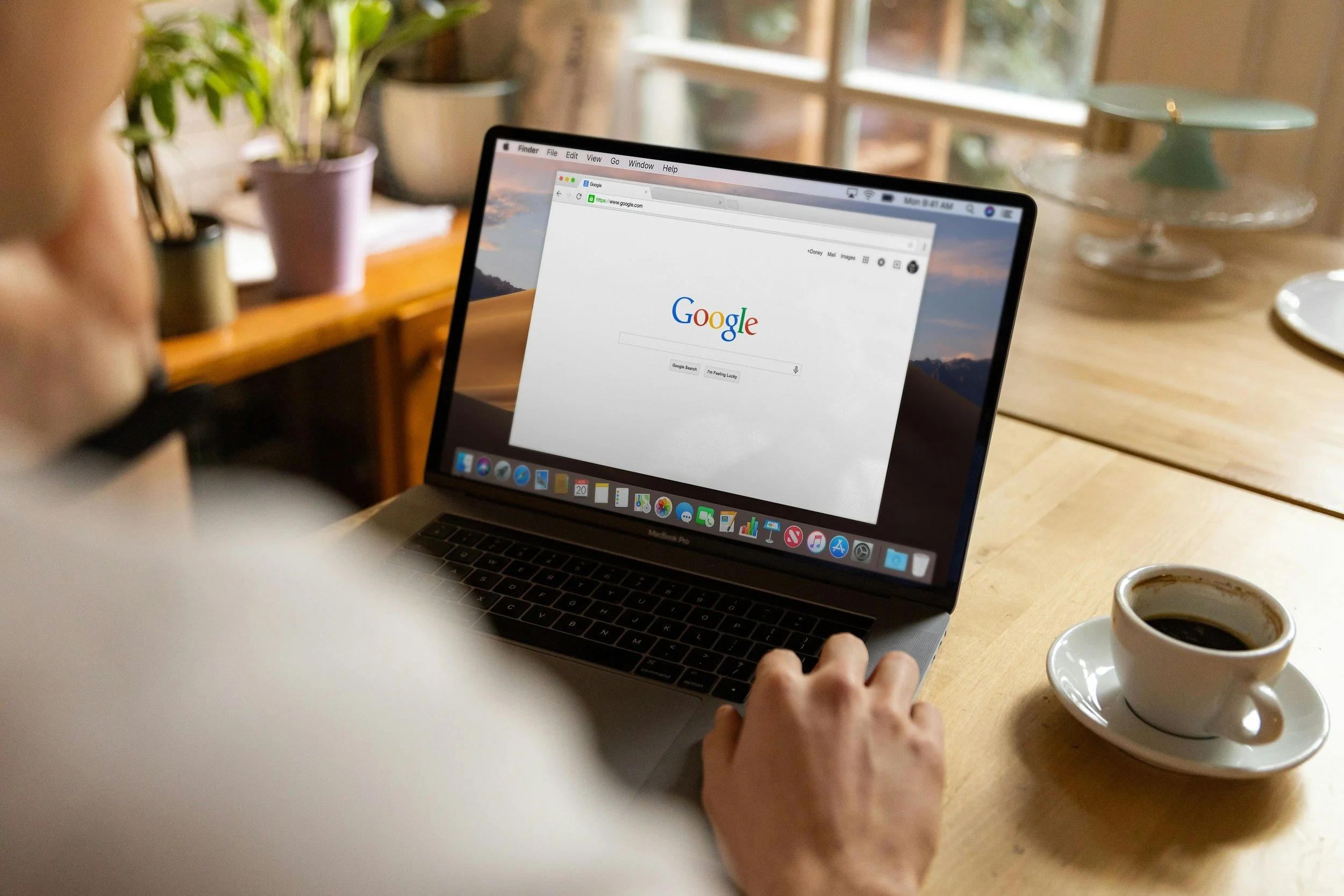
One of the most important developments in local marketing is that consumers increasingly make decisions without ever visiting a company website.
Instead, they interact directly with:
Google Maps
Google Business Profiles
Reviews
Photos
Directions
Call buttons
AI-generated summaries
For many businesses, the Google Business Profile now receives more engagement than the actual website itself.
This represents a major behavioral shift.
Consumers are compressing the buying journey into a few fast decisions:
Search
Compare reviews
Evaluate trust
Contact the business
That’s it.
In many industries, the traditional “brand awareness funnel” is shrinking rapidly. A homeowner with a leaking roof is not spending three weeks engaging with a roofing company’s Instagram content before making a decision. They are searching Google, reading reviews, and calling whoever appears trustworthy and responsive.
This is especially true in categories like:
Home services
Healthcare
Legal services
Automotive repair
Restaurants
Contractors
In these industries, visibility inside local search ecosystems has become mission-critical.
The Decline of Organic Social Reach
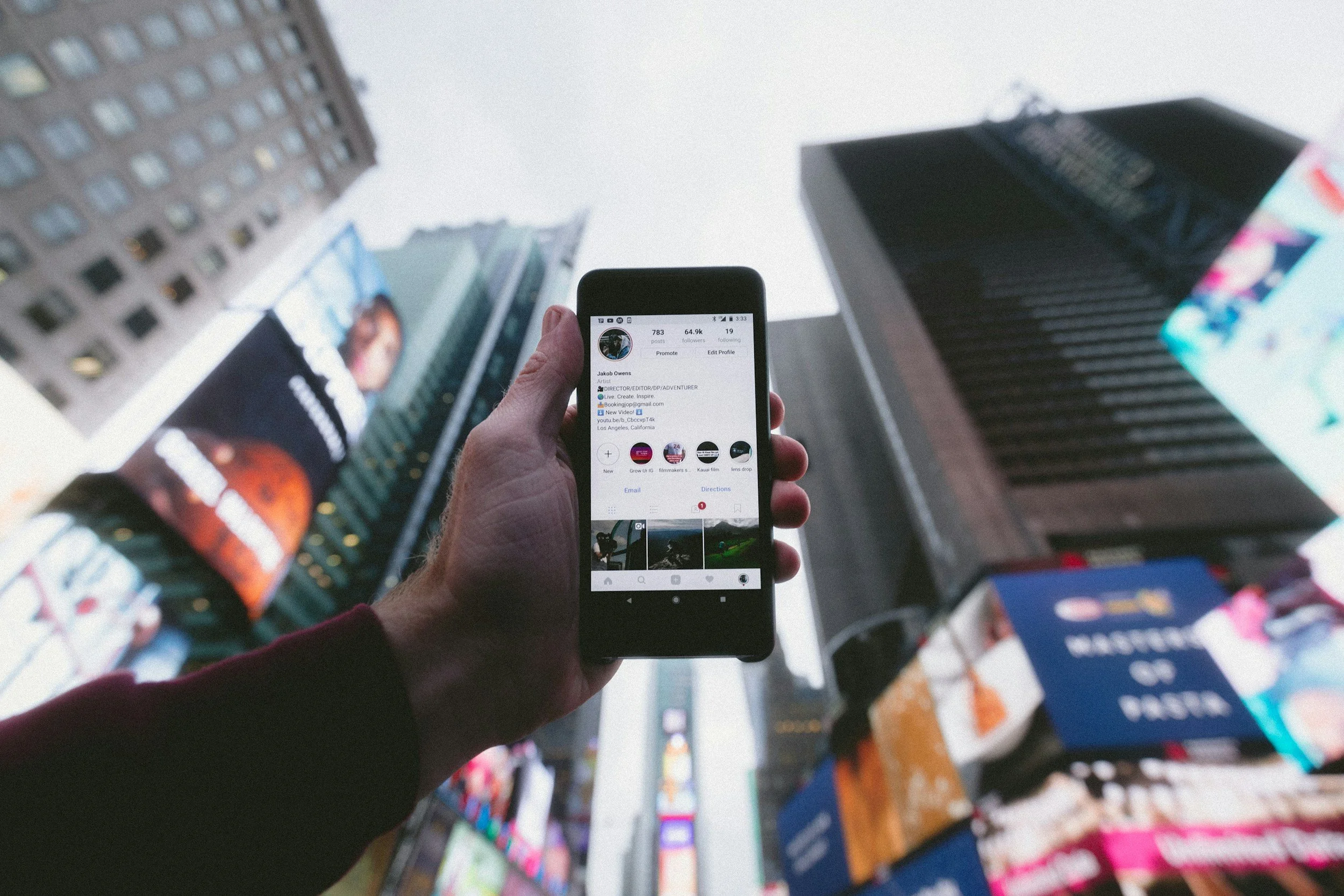
At the same time Local SEO has become more valuable, social media has become significantly more difficult for businesses to leverage organically.
Most major platforms have steadily reduced unpaid business reach over time. Today, even businesses with substantial followings often struggle to consistently reach their own audiences without paid promotion.
This creates several structural problems for local businesses:
Constant pressure to create content
Short content lifespan
Algorithm volatility
Increased dependence on advertising spend
Difficulty attributing ROI
A social media post may only remain visible for a matter of hours. A well-ranked local search listing can generate leads for months or years. That difference changes the economics of marketing entirely.
Social media increasingly behaves like a rented audience. Local SEO behaves more like a long-term asset.
Reviews Are the New Word-of-Mouth

Perhaps the most important evolution in local marketing is the role reviews now play in consumer trust. Historically, local businesses grew through referrals and reputation inside the community. In 2026, reviews are simply the digital version of that same phenomenon—only amplified at scale.
Consumers no longer evaluate businesses based solely on:
Star ratings
Branding
Pricing
They increasingly evaluate:
Review quality
Review recency
Owner responses
Customer experience details
Overall reputation consistency
This creates a compounding growth effect:
Better customer experiences generate better reviews → Better reviews improve local rankings → Better rankings generate more leads → More leads create more opportunities for reviews
This is the modern local-business flywheel in action. And unlike social engagement metrics, reviews directly influence purchasing confidence.
A business with:
300 high-quality reviews
Strong owner engagement
Consistent reputation signals
…often outperforms competitors with larger social followings but weaker trust indicators.
AI Search Is Reinforcing Local SEO—Not Replacing It

One of the biggest misconceptions in marketing right now is that AI will somehow eliminate the importance of SEO.
The opposite appears to be happening.
AI-driven search systems still rely heavily on:
Structured business data
Authority signals
Reviews
Consistency
Trust indicators
In fact, AI-generated search experiences may increase the importance of local credibility because recommendation systems need trustworthy signals to determine which businesses deserve visibility.
That means:
Google Business Profile optimization matters more
Review management matters more
Local authority matters more
Consistency across platforms matters more
AI is not replacing local trust signals.
It is amplifying them.
The Strategic Implication for Local Businesses
Many businesses still allocate marketing resources based on what feels visible rather than what drives measurable buying behavior.
Social media feels active:
Posting
Reels
Engagement
Followers
But visibility does not always equal conversion. Local SEO often feels less exciting operationally:
Citation management
Review generation
Google profile optimization
Technical consistency
But those activities frequently drive stronger long-term ROI because they connect businesses directly to high-intent customers.
This is the key strategic takeaway:
The future of local marketing belongs to businesses that optimize for trust and discoverability—not just attention.
And in 2026, Local SEO sits at the center of both.
Let’s build a strategy that helps customers find you when it matters most!
At The Idea Lab, we help Wisconsin businesses grow through practical marketing strategies—one bright idea at a time!
From brand messaging to advertising campaigns, we focus on building marketing systems that differentiate your business and attract the right customers.
If you're looking to make your business standout online, let’s talk. Schedule a Discovery Call to learn more about how we can help you!